
Luwak Coffee in Bali: Why I Don’t Drink It (and You Might Not Want To)


If you’re a coffee lover heading to Bali or a traveller who cares about animal welfare, this is one cup you might want to think twice about.
On my first trip to Bali in 2014, I ended up at a Luwak coffee farm. It wasn’t something I’d planned, my private driver suggested it, and I’d never even heard of Luwak coffee before. When he described this beautiful coffee farm in the hills, my natural response was, sure, why not?
In case you’re new to it, Luwak coffee is made from beans that have passed through the digestive system of civets. It’s sold as a ‘luxury’ coffee, and tourists go wild for it, paying ridiculous prices for a tiny cup.
What I didn’t expect was to see a civet in a tiny cage, pacing back and forth, and that moment completely changed how I saw the whole thing.
Behind the scenic setting and fancy price tag, the Luwak coffee industry in Bali has a dark side. It’s built on practices that are cruel, exploitative, and completely unethical to the animals involved.
In this post, I’m sharing my experience, what I’ve learned since, and how you can enjoy Bali’s coffee culture without supporting animal exploitation, including why Eco Bike Coffee is a great alternative.
So… What Is Luwak Coffee?
Luwak coffee is made from coffee cherries that have been eaten by civets, a small, cat-like animal, and then passed through their digestive system.
Yep, it’s quite literally coffee that’s been crapped out. Not exactly the most appetising origin story, but this is where the marketing spin comes in.
The idea is that as the coffee cherries make their way through the civet’s gut, they ferment, which supposedly reduces bitterness and gives the coffee a smoother taste.
Once the beans are “delivered,” they’re collected, cleaned (thoroughly, thankfully), roasted, and sold, often at eye-watering prices, to curious tourists and, in many cases, completely unsuspecting ones who have no idea how the coffee is actually made (just like me before I did the tour).
This process can happen naturally in the wild, with civets roaming free and eating only the ripest cherries. But in Bali’s tourism industry, that’s rarely the case.
Most Luwak coffee you’ll come across is produced in farms where civets are kept in captivity, fed a constant diet of coffee cherries, and used purely for profit. And that’s where the problems start.
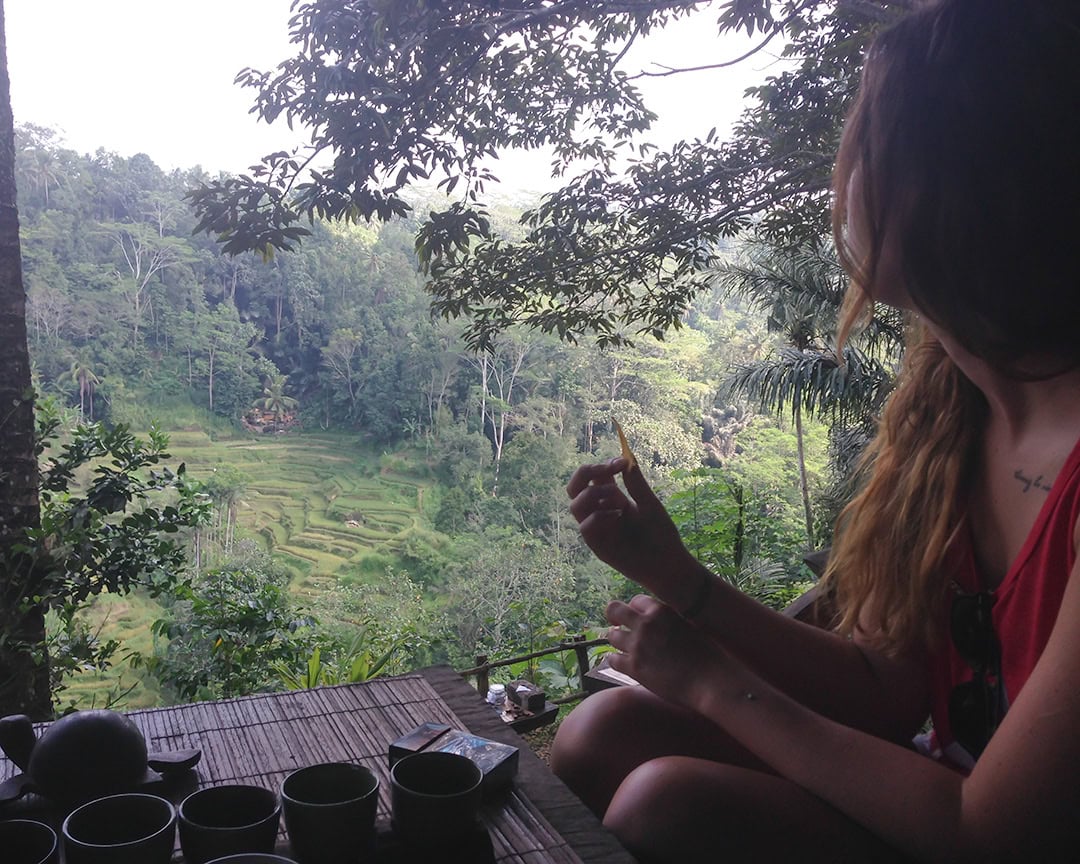
My First (and Only) Encounter with Luwak Coffee
On my first trip to Bali, I’d booked a driver for the day and, naively, hadn’t done much research about where I actually wanted to go. I figured we’d just make it up as we went along.
After visiting the Tegalalang Rice Terrace, my driver suggested we stop at a “beautiful coffee plantation” nearby. It sounded like a decent addition to the day: coffee and more rice terrace views? Why the hell not?
When we arrived, our driver led us through to a little café with tables looking out over another stretch of bright green paddies, where we were told we could try all the different types of Luwak coffee. At this point, I still had no idea what Luwak coffee actually was. I assumed it was just the name of the plantation or something.
I do remember seeing photos of civets on signs as we pulled into the car park, but it didn’t click. I just assumed they were part of the farm’s branding. I definitely didn’t imagine that “shit coffee” was a thing people actually paid for.
We sat down and tried about ten different coffees, and honestly, they didn’t taste anything different from normal coffee. Not that I’m a connoisseur or anything though!
After we’d finished, we were taken on a short tour of the plantation. That’s when I noticed a row of small concrete cages, each with nothing more than a stump or a scraggly little tree inside. Inside were a few civets, just like the ones I’d seen on the posters earlier. One of them was pacing back and forth. The cages were tiny, barely a few square feet, and it stopped me in my tracks.
When I asked the driver why they were in there, he smiled and proudly told us that this was how they made the coffee: the civet eats the cherries, digests them, and… well, you know the rest.
I think my jaw must have hit the floor while I was trying to process what he’d said, before asking him to repeat it because I genuinely couldn’t believe I’d heard right.
But nope, that’s exactly what I had just drunk, and that’s why these poor civets were stuck in cramped cages, surrounded by small piles of digested coffee beans on the floor.
I felt a mix of pure disgust and guilt. A few minutes earlier, I’d been sipping my coffee without a clue, and now I couldn’t get the image of that pacing civet out of my head.
When we left, the gift shop was selling small bags of this so-called “luxury” coffee for extortionate prices (and people were buying them!).
I’m pretty sure it was about £30 for a bag the size of my hand, and honestly, even if it was ethical, I’d be blowing my Bali budget on something far more worthwhile!
I remember thinking how wild it was that people actually wanted to buy this stuff, and wondering if they’d still hand over the cash if they’d seen what I just had.
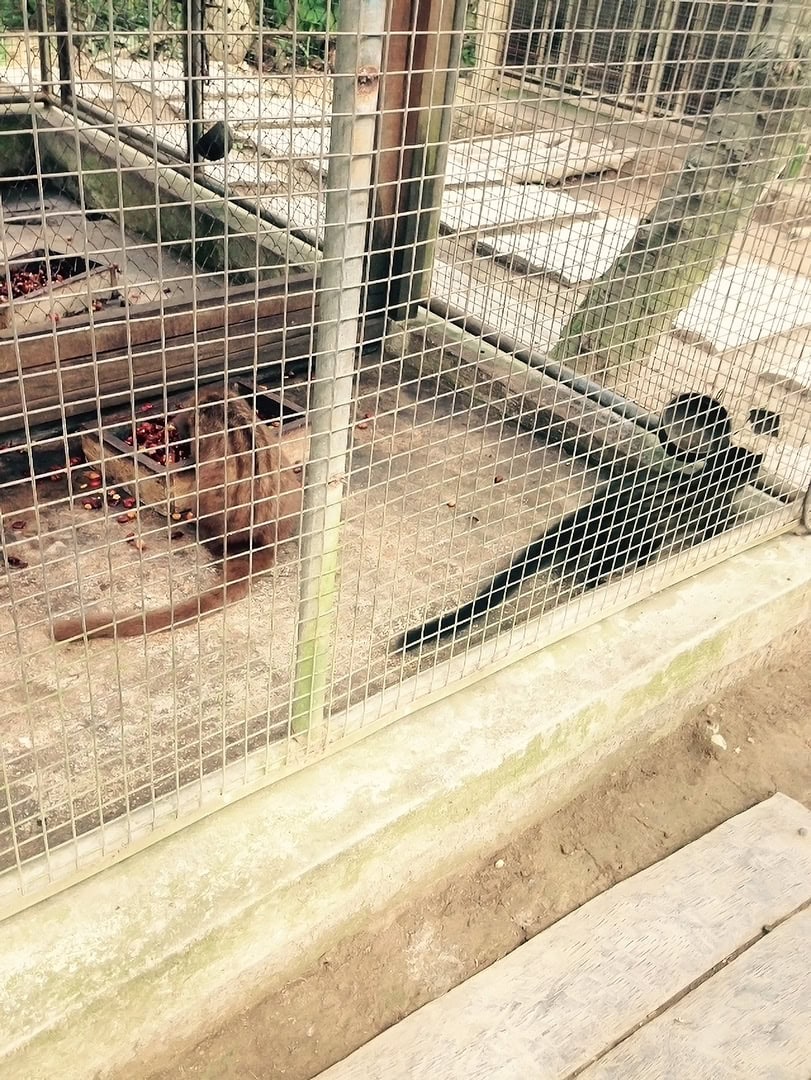
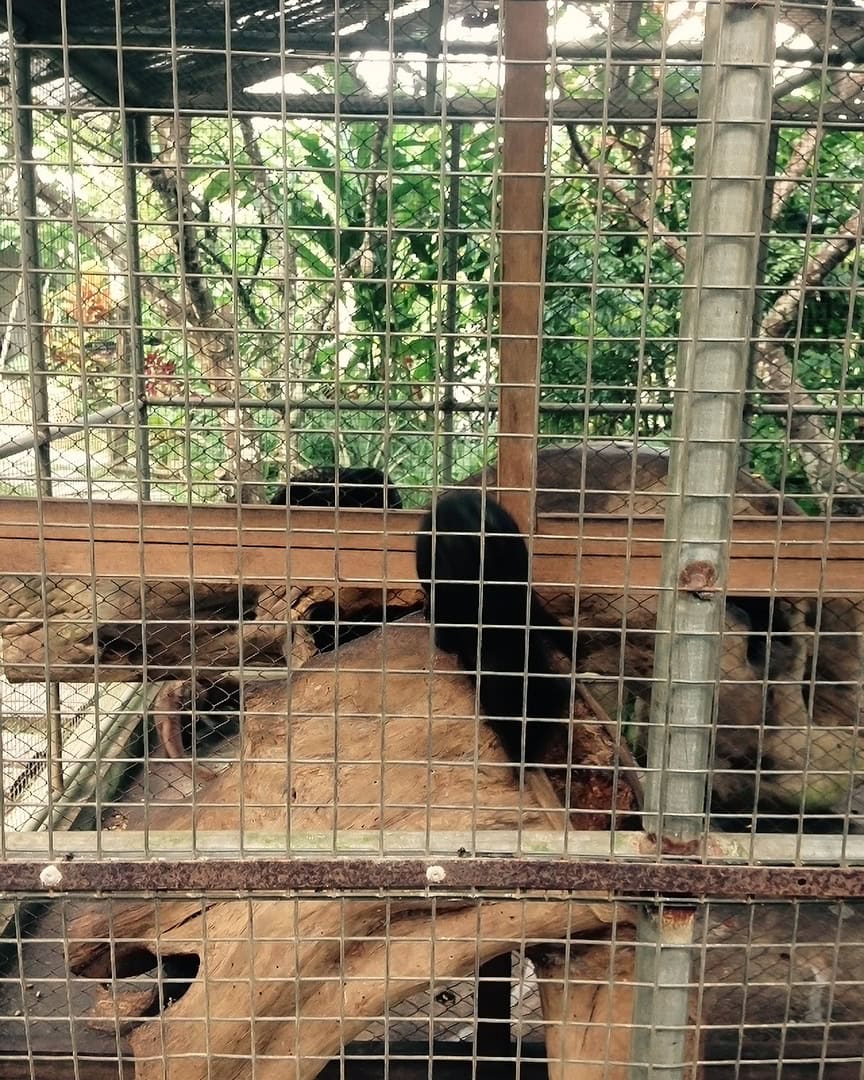
The Problem with Luwak Coffee in Bali
By now, it’s probably obvious that animal welfare is the biggest issue here, but keeping civets in tiny cages is only the beginning (although that alone is reason enough to avoid this stuff like the plague).
Civets are naturally nocturnal and solitary, but on coffee farms, they’re kept on display for tourists all day, surrounded by cameras, noise, and flashes. There’s no chance for them to follow their natural sleep patterns or just be left alone, which leads to stress and pacing (like I saw).
In the wild, civets eat a varied diet of fruit, insects, birds, and even the occasional small animal, and when it comes to coffee cherries, they only pick the ripest, best-quality ones.
On farms, they’re fed mostly coffee cherries (whatever’s available) just to produce more beans. It’s not just boring, it’s unhealthy, because they’re missing the nutrients they’d get in the wild.
Some farms claim they produce “wild” Luwak coffee, where beans are collected from free-roaming civets in the forest. It sounds more ethical, but in reality, it’s incredibly rare, and most of the time, it’s just buzzwords and bullshit. I wouldn’t trust it.
And while the whole thing is marketed as “eco” or “traditional,” the reality is that most civets are kept purely for profit, with little to no concern for their well-being.
It’s not just me saying this either, a PETA investigation into Bali’s civet farms found awful conditions at every single one they visited.
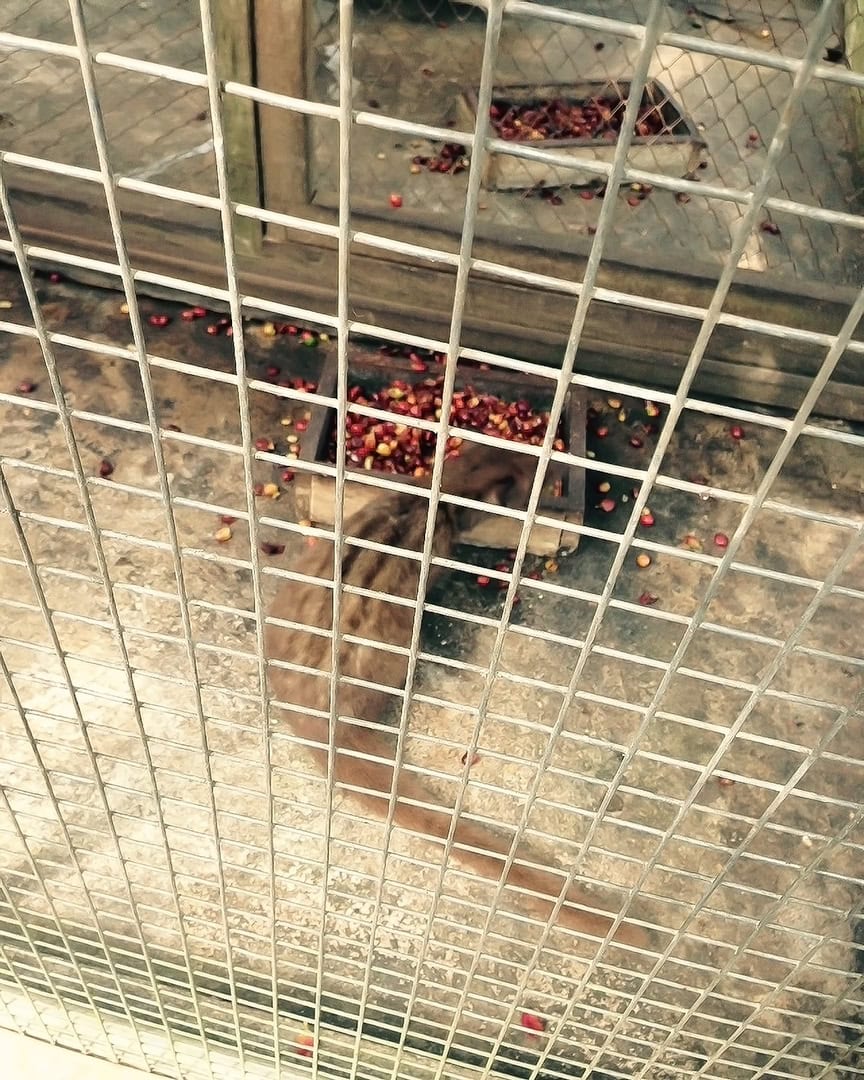
Is Luwak Coffee Ethical?
Short answer? Most of the time, it’s a hard no.
The only time it could be ethical is if the beans were genuinely collected from wild civets, but here’s the catch: there’s pretty much no way to know for sure. There’s no independent certification, no proof, just the word of the people selling it.
I’ve looked into a few farms in Bali that claim to use this wild method, but all they offer is a few lines about it on their website. I can’t see anything about third-party checks or certificates to back it up. And to be honest, when there’s money involved, I’m sceptical.
To make matters worse, a lot of what’s sold as “Luwak coffee” isn’t even Luwak coffee at all. You could be paying luxury prices for what’s basically bog-standard supermarket coffee.
Ethical Coffee Alternatives in Bali
Finding a coffee farm in Bali that’s 100% ethical and avoids Luwak completely is actually harder than you’d think.
Even some of the best organic farms still mention it on their websites, usually with a claim that they collect it ethically. Maybe one or two genuinely do, but that’s not a gamble I’m willing to take.
The only plantation I’ve found with zero mention of Luwak coffee is Eco Bike Coffee in Kintamani, up in the mountains. They run coffee tours, tastings, e-bike trips through the countryside, and you can even stay overnight in one of their cabins.
Here, you can enjoy incredible coffee, learn about the growing and roasting process from people who actually care about it, and support a business that isn’t exploiting animals to make a sale.
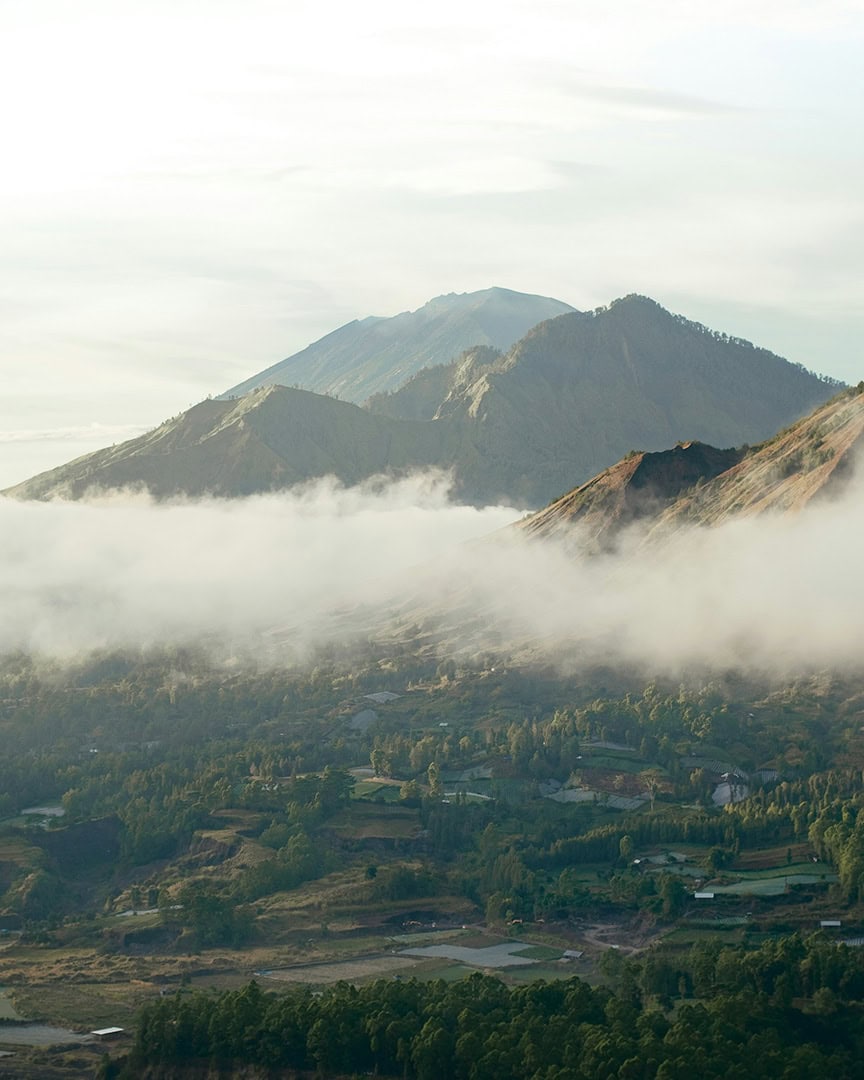
You’ll also get some pretty amazing views over Mount Batur, Mount Abang, and the still waters of Lake Batur, all while knowing your cup hasn’t come at the expense of an animal’s welfare.
Cafés in Bali That Don’t Serve Luwak Coffee
If you’d rather avoid anywhere involved in the Luwak coffee trade, these cafés serve some great brews:
- Kynd Community – Fully vegan café in Canggu & Seminyak
- Alchemy – Fully vegan café in Ubud, Canggu, and Uluwatu
- Shady Shack – Vegetarian café in Canggu
- Suka Espresso – Café in Uluwatu & Ubud
These are just a few great options to get you started. Bali’s café scene is huge, so you won’t struggle to find more! I’ve even written a full guide to plant-based options all around the island.

How to Be an Ethical Traveller in Bali
You can have the best intentions to avoid anything unethical while travelling, but the truth is, it’s still easy to get caught out. It’s happened to me more than once (and I’m not proud of it), but I’ve definitely learned from it.
The biggest thing? Don’t take things at face value. Just because a tour slaps the word “ethical” or “eco” on its brochure doesn’t mean a thing.
Always check reviews from third-party sources where possible. If something shady is going on, enough people will have spotted it, and they’ll be very loud about it.
Even some so-called sanctuaries are really just money-making schemes with a nice logo.
I’ve been to one in Thailand that was genuinely ethical, they only allowed one tour group per day, the elephants roamed freely in the forest, and there was no riding, no chains, and no washing them (as this is actually really bad for their skin).
As a general rule, avoid any tour that involves riding an animal, keeping one in captivity, or using animals as photo props. Even wildlife encounters can be staged, with animals baited or kept in unnatural conditions just so tourists can get a picture.
Luwak Coffee FAQs
Is Luwak coffee ethical?
Most of the time, no. The vast majority comes from civets kept in tiny cages and fed only coffee cherries, and there’s no reliable way to verify the rare “wild” claims.
What is Luwak coffee?
It’s coffee made from beans that have passed through the digestive system of a civet (a small, cat-like animal), sold as a “luxury” coffee at eye-watering prices.
Why is Luwak coffee so expensive?
It’s marketed as rare and luxurious, so tourists pay huge prices for a tiny cup, but a lot of what’s sold isn’t even real Luwak coffee.
Where can I try ethical coffee in Bali?
Eco Bike Coffee in Kintamani is the one plantation I’ve found with zero mention of Luwak, they do tours, tastings and e-bike trips with views over Mount Batur.
What You Can Do in Bali Instead
If you really want to visit a coffee plantation while you’re in Bali, I’d point you straight to Eco Bike Coffee in Kintamani.
It’s tucked up in the mountains, so you get cooler air, sweeping views, and coffee that hasn’t come at the expense of an animal’s welfare… or their digestive tract. You can even hop on one of their e-bike tours through the countryside or stay overnight in one of their cabins.
And if it’s Bali’s nature you’re craving, you’re spoilt for choice without going anywhere near Luwak coffee. Instead of coffee plantations, you could be wandering through some of the island’s rice terraces, like the vast green patchwork of Jatiluwih, the laid-back charm of Sidemen Valley, or Ubud’s Campuhan Ridge Walk with rice paddies on both sides.
You still get those stunning Bali views, just without the cruelty behind them.


