
Iceland Might Be One of Europe’s Ultimate Bucket-List Trips — But Timing Can Make or Break the Experience


Planning a trip to the land of fire and ice? You might be wondering when not to go.
Iceland’s seasons are seriously dramatic, and while it’s a stunning destination year-round, the “worst” time to visit really depends on what you’re after. Personally, I love the summer months — but for some travellers, that might not be ideal.
In this post, I’ll break down what to watch out for and when Iceland might not be at its best, so you can plan a trip that actually works for you.

Worst Time To Visit Iceland
There’s no one-size-fits-all answer when it comes to the worst time to visit Iceland; it really depends on what you want from your trip.
Want to see the Northern Lights? Then summer’s not your season. With almost 24 hours of daylight, those magical green skies are basically impossible to spot.
When we went, I was set on catching the purple lupins and experiencing the midnight sun, so summer made the most sense for us.
Travelling on a budget? The time of year really matters. Iceland isn’t cheap at the best of times, and prices shoot up during peak season (June to August). Visiting in the off-season can help your money go further, just be ready for colder weather and much shorter days.
Worst Time For Weather
The depths of winter can be pretty brutal in Iceland, and the harsh weather conditions can impact your trip.
December and January are the months that experience the coldest temperatures, which tend to sit somewhere between -2°C and 2°C.
They’re also the months that experience the most snowfall. This can potentially cause issues on your trip, especially if you have booked tours or plan to do an Iceland road trip. The snow and ice can cause road closures at short notice and can be dangerous if you’re not used to driving in those conditions.
January is the windiest month in Iceland, with average wind speeds around 15.9mph, and trust me, that icy chill cuts right through you. If you’re heading there at this time of year, make sure to pack thermal layers and windproof everything.
December and January also bring the shortest days, with just 4 to 5 hours of daylight. It’s still possible to see a lot, but you’ll need to plan your time carefully to make it work.
Most Expensive Time To Visit Iceland
I probably don’t need to be the one to tell you, Iceland is expensive. If you’re hoping to make your trip a little more budget-friendly, timing really matters.
June, July and August are peak tourist season, and they’re the worst months for your wallet. Prices for flights, accommodation and car rentals can double, and popular spots get super busy.
That said, there are ways to cut down costs. It’ll still be pricey, but every bit helps:
- Cook some of your own meals — stock up at Bonus or Kronan (you’ll find them all over).
- Bring a few snacks or dry foods from home to save even more.
- Renting a car is often cheaper than booking multiple tours, and gives you way more freedom.
- Look at budget stays like guesthouses, hostels or even campsites.
- And don’t forget, loads of Iceland’s best sights and hot springs are completely free!
If you’re after a balance between decent weather and lower costs, aim for the shoulder seasons — April, May, September or October are great picks.
Worst Time For Crowds
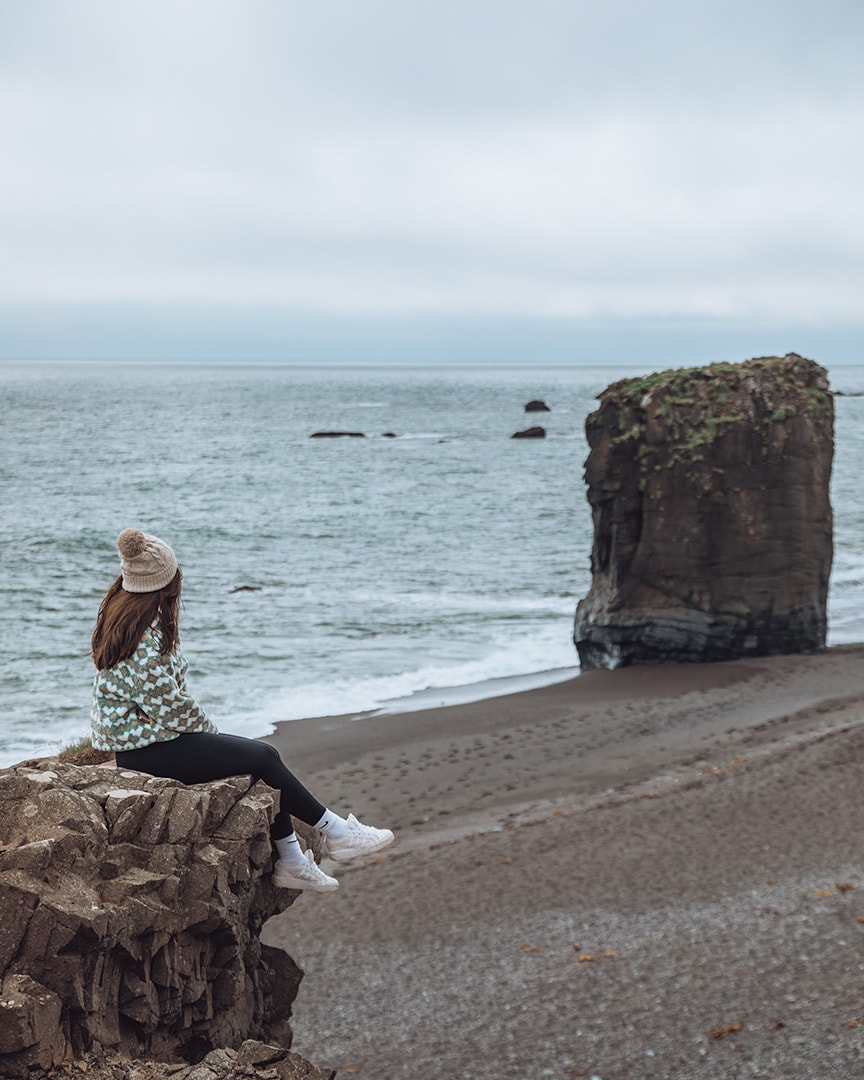
You can probably guess that if you’re not a fan of crowds, summer’s the worst time to visit Iceland.
June, July and August are peak season. The warmer weather and midnight sun bring loads of visitors, which means bigger crowds and higher prices across the board. It’s a stunning time to visit, but definitely not the quietest or cheapest.
Once the snow and ice have melted, travelling around Iceland becomes more appealing, and this is the time when many people come to drive the ring road. Iceland’s F-roads that lead through the highlands also reopen after being closed for the winter, which attracts more visitors.
Attraction sites and the popular hot springs will be very busy and crowded, especially those in the Golden Circle and along the south coast. If you prefer to avoid big crowds, you could try visiting the attractions either very early in the morning or much later in the evening. The good thing about this time of year is it doesn’t get dark, so visiting at unusual times is still doable!
The West Coast of Iceland is much less travelled and is a great destination to visit during the busier months. There will be fewer crowds than you’ll find in the tourist hotspots.
Best Time To Visit Iceland
Just like the worst time to visit Iceland depends on what you’re after, the best time does too.
If you want longer, warmer days and easy travel, summer’s your best bet. In June, July and August, Iceland gets almost 24 hours of daylight, perfect for packing loads into your itinerary. Roads are more likely to stay open too, so getting around is a lot less stressful.
The summer season is also when Iceland has its iconic lupin bloom and is covered in thick blankets of purple. The landscape still holds some of its usual characteristics, such as glaciers and snow-capped mountains, and the scenery is really diverse this time of year.
Although you can see whales all year round in Iceland, summer is also the best time to go whale watching.
If you’re looking for a way to visit Iceland without breaking the bank, then the shoulder season or winter will be the best time to visit. Costs go down quite significantly from September onwards, and the colder weather will mean fewer crowds.
The winter months are stunning, and the dusting of snow can make Iceland look like a winter wonderland. This is also the best time to book guided glacier and ice cave hikes due to the cold weather making them more stable to explore.
This is also the perfect time to visit if seeing the northern lights is on your bucket list, as September through to mid-April is aurora season in Iceland.

Where To Stay In Iceland
Budget Recommendation: Kex Hostel
Located in the heart of Reykjavik, Kex Hostel is a great place to stay if you’re on a budget. You can choose to stay in a shared dorm or a private room with a shared bathroom.
There’s a communal kitchen so you can save on eating out, but there is also an on-site bar and restaurant which has live music Thursday – Sunday.
Mid-Range Recommendation: The Green House Hotel
Found in Hveragerði, which is a 45-minute drive from Reykjavik, The Greenhouse Hotel is a unique place to stay while in Iceland. This boutique hotel has everything you need from restaurants, a bar, a local food market and designer stores.
This is also a great location for outdoor activities and is close to the hiking trail to Reykjadalur Hot Spring Thermal River.
Luxury Recommendation: Hvammsvík Nature Resort
At Hvammsvík Nature Resort you can book one of four different accommodations each offering their own form of luxury.
Surrounded by mountains and the ocean, these properties are nestled in the stunning Icelandic countryside and are an hour from Reykjavik. Two of the properties have their own private hot tub, while one has its own private hot spring overlooking the fjord.
If you’re looking for a touch of luxury, Hvammsvík Nature Resort is a real treat.
Visiting Iceland: FAQs
If you’re thinking about planning your Icelandic adventure, you might have a few questions that you need to have answered. In this FAQ section, I’ve gathered answers to the most common queries that travellers to Iceland often have.
What’s The Worst Month To Visit Iceland?
This probably won’t come as much of a shock, but the worst month to visit Iceland is January.
You’ll only get around 4 – 5 hours of daylight in January, meaning that you will have to plan your trip well if you plan on seeing lots of sights. There are a few months that experience these long nights too, but there are other reasons I believe January is the worst time to visit Iceland.
January is not only one of the coldest months, but it’s also the windiest month. The weather this time of year can be really unpredictable.
Of course, if you don’t mind this, you could certainly wrap up warm and make the most of the cheaper prices and quieter locations.

What Is The Rainiest Season In Iceland?
Iceland’s weather can be unpredictable all year round, and it can still have bouts of rain even in the summer, although May – August are the driest months.
The rainy season runs from September – March, with the wettest month being October.
If you plan to visit Iceland during the wetter months, it’s probably worth investing in some good waterproof gear!
One thing I will say is, don’t be disheartened if the forecast is rain throughout your trip. Wetter weather isn’t always a bad thing! Waterfalls are stunning this time of year and look even more powerful with all the extra water.
What Is The Dark Season In Iceland?
The iconic midnight sun is a distant memory during the winter months!
Iceland’s dark season begins in November and ends sometime during February. This is when the days will be much, much shorter, with the shortest day being only 4 hours!
December 23rd is the winter solstice in 2023.
The dark season is the perfect time to visit if you want to see the northern lights! The longer hours of darkness will increase your chances of seeing the auroras. You can actually check the northern lights forecast on the Icelandic Met Office website.
Is Winter A Bad Time To Visit Iceland?
Winter can actually be a great time to visit Iceland as long as you’re prepared for the cold weather and you’re not planning a big road trip!
Yes, the days are shorter and the weather can be unpredictable, but there are plenty of benefits to visiting this time of year. The landscape is transformed by snow and ice, making it look otherworldly, and all the main attractions will be much quieter to visit.
If you love Christmas festivities, Iceland is the perfect place to visit! This is the winter wonderland we all envision when we think of Christmas time, with lots of snow and reindeer.
Iceland’s traditions are slightly different from some other countries, and they don’t have just one Santa. Instead, they have 13 mischievous Yule Lads who visit homes on the 13 nights leading up to Christmas.
Final Thoughts: Worst Time To Visit Iceland
As we’ve discovered through this post, the worst time to visit Iceland will totally depend on the type of trip you want to have.
If you want to avoid crowds and high prices, then I don’t really recommend visiting during the summer months. The attractions can get very busy, and prices tend to skyrocket.
If bad weather and shorter days aren’t your thing, then winter definitely won’t be for you. The cold can be biting, and the daylight hours are significantly shorter.
However, it’s worth noting that despite these contrasts, there’s really no right or wrong time to visit Iceland. The country boasts its own unique charm and beauty throughout the year.
Spring and autumn offer a perfect middle ground, where you can find a balance of milder weather, fewer crowds, and cheaper prices. Ultimately, your best time to visit depends on what you’re seeking from your Icelandic adventure.


