The Sun Barely Sets Here in Summer — And Once You Experience It, Normal Summer Just Doesn’t Compare


Planning a summer trip to Iceland? Between the midnight sun, wildflowers, roaring waterfalls and open roads, it’s a pretty dreamy time to visit.
But as stunning as it all sounds, there are a few things that might surprise you once you’re there, from the weather (yep, even in July) to how busy some spots can get.
This guide breaks down what Iceland in summer is really like, so you know exactly what to expect, the magic, the quirks, and a few handy tips to help you make the most of it.

The Midnight Sun Is Real (And Can Mess With Your Body Clock!)
In summer, Iceland gets over 20 hours of daylight, and in the south, it doesn’t really get dark at all!
Instead, the sky glows in this dreamy golden twilight that looks like sunset for hours. Then just when you think the sun’s finally dipped, it starts climbing back up again.
It’s totally surreal and makes exploring late into the evening so easy. Want to visit a waterfall at 10pm? Go for it. Fancy a drive with no one else on the road and soft, golden light? You’re sorted.
Just don’t expect your body to know what time it is. Bring a sleep mask, you’ll thank yourself later!
Expect Mild Weather (Don’t Pack for the Med)
Yes, it’s summer — but Iceland’s version of warm is more “light jacket and woolly socks” than “shorts and sunbathing.” You’re looking at around 10–15°C most days, and the weather loves to change its mind. Sunshine one minute, sideways rain the next.
When I visited in July, we actually had a few days that reached 20°C, so it can warm up, just don’t bank on it.
Layers are your best friend. And a waterproof jacket? Non-negotiable.
The good news though? It’s a great time to be outdoors!

It’s Prime Waterfall Season
Thanks to all the snowmelt and glacier runoff, Iceland’s waterfalls are seriously showing off in summer. The big names like Skógafoss and Seljalandsfoss are absolutely roaring, and even the smaller ones you stumble across on a road trip are looking extra dramatic.
Another bonus is that the trails and viewpoints that are often closed in winter are now good to go.

Lupins Are in Bloom
One of my favourite things about summer in Iceland is that the landscape gets a splash of colour thanks to the lupins. From mid-June into early August, you’ll see fields and roadsides covered in purple and blue flowers.
They’re not native, and a bit controversial with the locals, but they’ve definitely become part of the summer scenery. Whether you’re into photography or just love seeing Iceland in full colour, they’re hard to miss!

It’s Peak Season — So Yep, It’s Busy
Summer is when everyone and their dog wants to visit Iceland, and honestly, it’s easy to see why. But just a heads-up: the popular spots can get hectic.
We’re talking full car parks, busy viewpoints, and lots more people around than you’d expect in such a wild landscape. Prices also creep up this time of year.
The bonus is that everything’s open, and the roads are easy to drive. Plus, thanks to the midnight sun, you can beat the crowds by going early or really late, the lighting’s better then anyway!
And if you’re craving a bit of peace and quiet, just head to the Westfjords or Eastfjords. Way fewer people, same epic scenery.

It’s the Best Time for a Road Trip
If you’re planning to hit the road, summer’s the time to do it. The weather’s a bit more reliable, and with daylight around the clock, you’ve got all the time in the world to explore, no rushing back before dark.
Whether you’re driving the full Ring Road or heading off on smaller adventures, it’s a great time to be out there.
The mountain tracks (known as F-roads) also open for the season, giving you access to wilder spots in the highlands like Landmannalaugar and Thórsmörk.
Just make sure you’ve got a 4×4 and keep an eye on the weather and road conditions.

It’s Hiking and Camping Season
Summer’s the best time to get out on the trails. Whether you’re looking for a full-on trek or just fancy a short hike with a view, this is when everything’s open and easier to access.
Popular spots like the Laugavegur Trail, Glymur waterfall, and Reykjadalur hot spring hike are all great in summer, and way more enjoyable when you’re not battling mud or snow.
If you’re camping, there are loads of sites across the country, and many are super well-equipped with kitchens, hot showers, and views that feel like something out of a movie.
Just don’t let the midnight sun fool you, it can still get pretty chilly at night, so bring layers and a decent sleeping bag!

Spotting Puffins, Whales & Seals
If seeing wildlife is on your list, summer’s the best time. Puffins are everywhere along the cliffs, especially at Dyrhólaey, Látrabjarg, and Borgarfjörður Eystri. They usually start heading off around early August, so the earlier in the season, the better.
It’s also prime whale-watching season. Húsavík is known as the whale watching capital, but Reykjavík has some great tours too. We took one from there and saw a humpback! The views from the boat along the Snæfellsnes and Reykjanes peninsulas were incredible too.
You’ll often spot seals at Jökulsárlón or just lazing along Iceland’s wild coastlines, so keep your eyes open as you explore.

Local Events & Summer Festivals
Icelanders really know how to make the most of summer. All over the country, you’ll find music gigs, food festivals, and local celebrations popping up, which can add a bit of extra fun (and culture) to your trip.
A few worth checking out:
- Bræðslan Festival: a cosy music fest held in an old fish factory (yep, really)
- Eistnaflug: a full-on rock and metal festival in the east, if you’re into heavier tunes
- Loads of local town fairs and National Day celebrations, many of which run well into July
You never know what you might stumble across, from street food stalls to live music in the most unexpected places.
Be Ready for Summer Prices
Let’s be real, Iceland isn’t cheap, no matter when you go. But summer? That’s when prices really peak. Flights, rental cars, and hotels… it all creeps up this time of year. When I visited in July, the price difference compared to my March trip was pretty significant, so it’s definitely something to factor in.
Still, it’s the trade-off for long days, better weather, and having access to pretty much everything.
That said, there are ways to keep costs down:
- Book as early as you can (especially for cars and campervans)
- Camp or stay in hostels
- Cook a few meals yourself — grocery stores are your friend
- Travel with others so you can split expenses
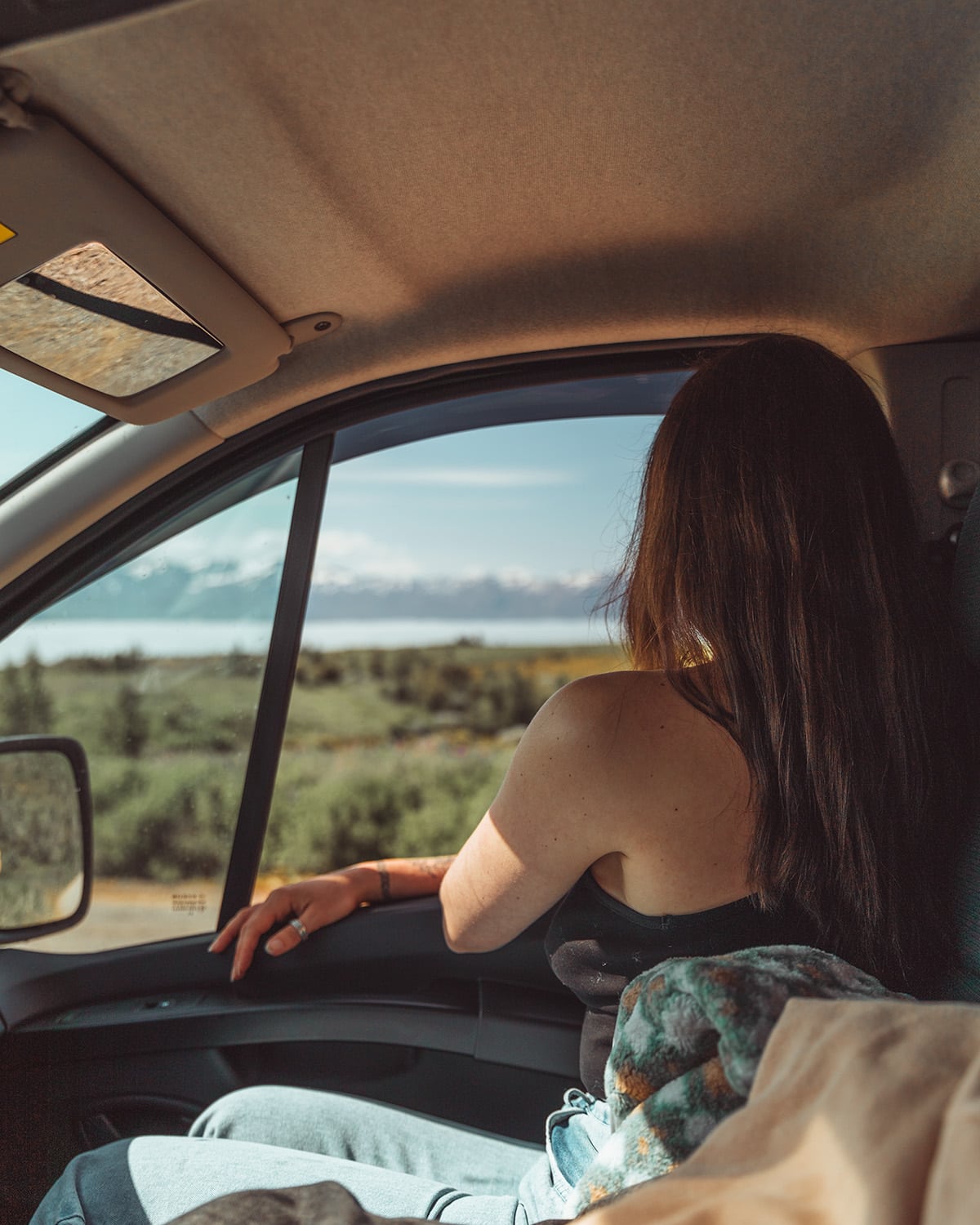
Campervans are also a solid shout. You get your transport and accommodation all in one, just make sure to book early, as they’re super popular in summer.
Final Thoughts
Endless daylight, roaring waterfalls, and the freedom to explore without worrying about road closures or early sunsets — summer in Iceland just feels good. The colours are vibrant, the energy is high, and there’s something special about being there when everything comes alive.
It’s a busy time, sure, but with a bit of planning, you can dodge the crowds and really make the most of it. If you’re going to visit Iceland once, summer’s a pretty epic choice.