Is Namibia Safe? Everything You Should Know


If it’s your first time planning a trip to Namibia, you’re probably wondering, is Namibia safe to visit?
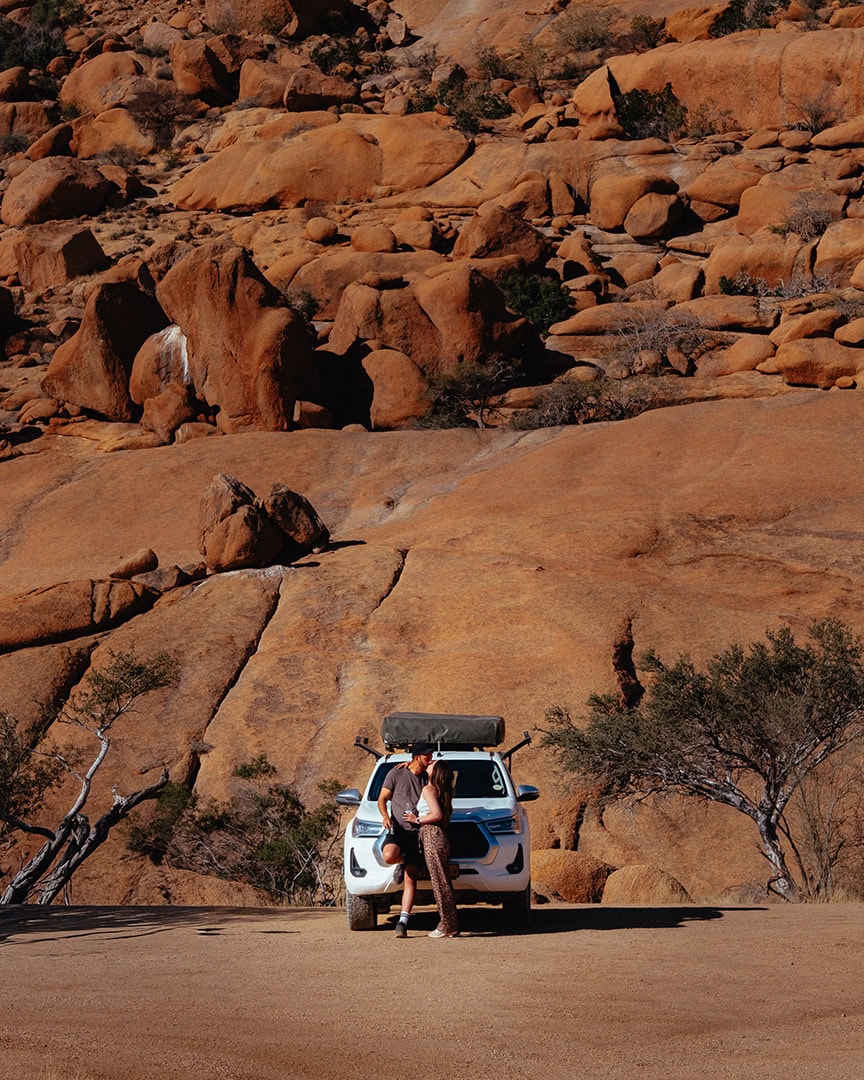
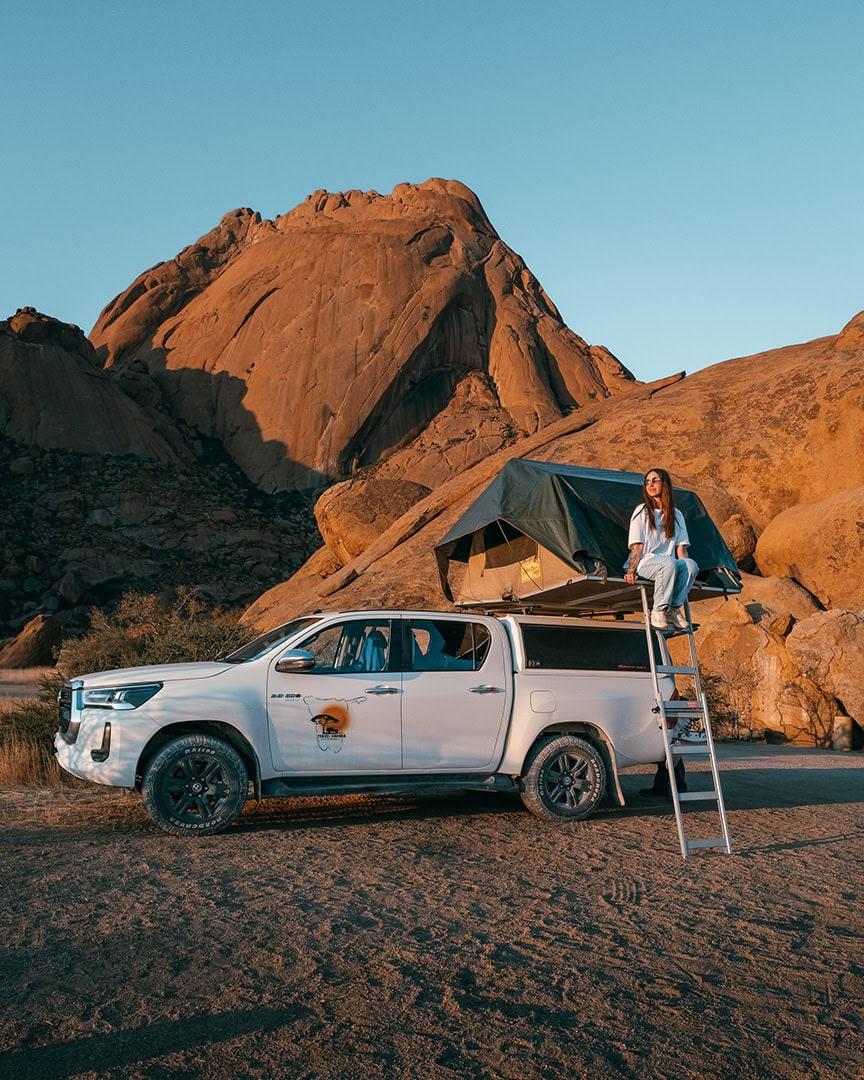
Honestly, I asked myself the exact same thing before going. But after spending nearly a month road tripping across the country with James in a 4×4 and a rooftop tent, I can confidently say Namibia felt safer than a lot of places back home in England.
That said, like anywhere, you still need to be smart about how you travel. There’s plenty of wildlife around, some roads can be sketchy (especially the long gravel ones), and petty theft does exist.
But the people are genuinely kind, and if you take a few precautions, like keeping valuables out of sight, avoiding driving after dark, and sticking to 80 km/h on gravel roads, you should have an awesome trip.
Even if you’re not used to driving abroad, don’t stress. This was my first time doing it, and it ended up being one of my favourite parts of the trip (James was shocked!).
In this post, I’ll walk you through everything you need to know about staying safe in Namibia, from handling the roads and wildlife to what it’s like for solo travellers and first-timers.

How Safe is Namibia for Tourists?
Before we get into it, a quick note: safety’s such a personal thing. This is based on my own experience travelling through Namibia, and while I felt safe most of the time, everyone’s comfort level is different depending on how (and where) you travel.
You’ll be pleased to know that Namibia ranks among the top three most peaceful countries in Africa, alongside Mauritius and Botswana, and honestly, I can see why. For the vast majority of our trip, we felt really comfortable travelling around the country.
Outside the bigger cities, we spent most of our time in national parks, rural areas and small towns, and I never felt particularly uneasy about our surroundings. As with anywhere, though, there are things to be aware of, particularly around cities.
We were comfortable during the day, but after dark, it makes sense to take the usual precautions and consider getting a taxi rather than walking around unfamiliar areas.
The only time I felt genuinely uneasy was on our second day, in the small town of Kalkrand. I was desperate for a wee, paid to use the petrol station bathroom, and came back to find James and the car completely surrounded by a large group of people asking for money.
I don’t think anyone meant us any harm, but with so many people around the car and no idea what was happening or whether we were safe, I got back in pretty fucking sharpish.
Nothing happened, and we left without any problems, but I did feel awful afterwards because I wish we’d been able to help. At the same time, I honestly don’t know what the safest thing to do would have been in that situation.
Crime in Namibia
While crime in Namibia is generally low, the most common issues tourists are likely to come across are theft and robbery, particularly in bigger cities like Windhoek and Swakopmund.
Car break-ins can happen, so don’t leave anything valuable visible in your vehicle. You’ll often see car guards around busy areas and car parks who keep an eye on vehicles in exchange for a small tip.
We actually liked using them, as it felt like a simple way to support someone locally while giving us a bit of extra peace of mind.
I’d also be a little more aware around ATMs and banks. Keep an eye on your surroundings, avoid withdrawing large amounts of cash if you don’t need to, and if somewhere feels off or like you’re being watched, use a different ATM.

Road Safety in Namibia
This was honestly the part I was most nervous about. I’d never driven abroad before, and our car at home is a tiny Hyundai i10, so jumping from that to a massive 4×4 felt a bit intimidating. But I actually ended up loving it! Once you’re out of the cities, the roads are quiet, the views are unreal, and driving became part of the adventure.
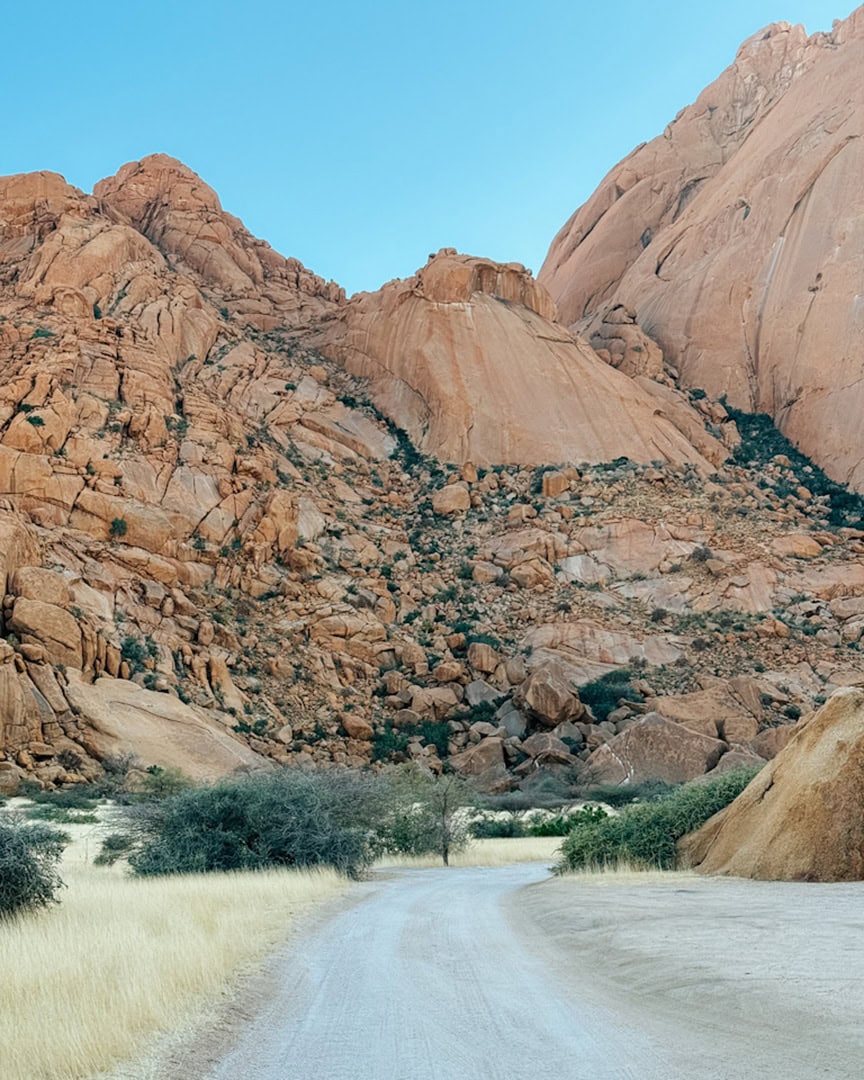
Not all roads are tarmac, though, and that’s where things get interesting. Gravel roads can be dodgy. How some of them have 100 km/h speed limits is beyond me. You’ll hit hidden potholes, dodge fist-sized rocks, and deal with a relentless thud-thud-thud under your wheels that wears you down after a few hours.
As a rule of thumb, 80 km/h is the max you should be doing on gravel, though sometimes you’ll find yourself crawling at 20.
Most accidents happen when people skid, hit loose gravel, or swerve at the last second to avoid something. So seriously: take it slow. It’s also recommended (and often required by rental companies) that you only drive between sunrise and sunset, especially outside of towns. Wildlife is most active at night, and trust me, you don’t want to come face to face with a kudu in the dark.
Carrying a spare tyre (or even two) is always recommended, as punctures on gravel roads are pretty common. Most rental companies will provide one, but it’s worth double-checking before you set off. Refuelling is also very important, as you can go miles without a gas station!
Another thing to know: you’re required by law to keep your headlights on at all times outside the cities. And if you’re coming from the UK, some good news! Namibians drive on the left, so at least that bit feels familiar.
Health & Medical Safety In Namibia
Before travelling to Namibia, it’s worth checking in with your doctor, as there may be a few vaccines they recommend before you go.
Malaria is present in parts of the country, particularly in the northern regions, so your doctor might also suggest taking anti-malarials and give you some extra advice on prevention.
As I mentioned earlier, parts of Namibia are very remote, and hospitals can be hours away. So good travel and medical insurance is a must! Not the fun part of planning a trip, but it’s genuinely worth it if something goes wrong.
It’s also a good idea to make note of the emergency numbers in Namibia and save them in your phone before you go. Hopefully, you’ll never need them, but it’s a small thing that can make a big difference if you do.

Is Wildlife Dangerous In Namibia?
Let’s be real, yes, wildlife can be dangerous. I’d be lying to you if I said it wasn’t. But before we went, I was way more nervous than I needed to be. I’d worked on a banana farm in Australia years ago, so snakes and creepy crawlies have lived rent-free in my head ever since.
During our entire trip, I only saw one snake, and that was miles from anywhere on our Sandwich Harbour tour. We didn’t see any around our campsites or accommodation.
We spotted the odd spider here and there, and there were definitely plenty of flies, midges, and a few mozzies, but nothing out of the ordinary, and definitely nothing that made me want to sprint back to the car.
In Damaraland, we were warned to be careful at night because of scorpions and snakes, but (thankfully) we didn’t come across any. They’re around, of course, but you just need to be sensible, so wear shoes at night, use a torch, and watch where you step.
It’s also worth knowing that a lot of camps in Namibia aren’t fenced, so you really are sharing your space with the wildlife. We had a few curious oryx wander through our campsites and even had a honey badger rummaging through our bin one night.
As for the bigger wildlife like lions, elephants and rhinos, the same rules apply: never approach them and always give them plenty of space. In places like Etosha, it’s actually forbidden to get out of your car except in designated areas, and for good reason.

Is Namibia Safe For Solo Travellers?
I didn’t travel Namibia solo this time, but I’ve backpacked alone for years, and honestly, I’d come back here solo in a heartbeat.
It’s pretty safe for solo travellers overall, but solo girlies (sadly, as usual) should stay extra aware. Gender-based violence is still an issue here, so the usual tips apply:
- Be extra aware of your surroundings
- Trust your instincts
- Let someone know your plans, especially if you’re driving long distances or heading somewhere remote
- Don’t walk alone at night
If you’re unsure about walking anywhere, take a marked taxi or use Yango (Namibia’s version of Uber). They’re affordable, fast, and a safer bet after dark.
I really recommend getting a local SIM card. Signal can drop in more remote areas, but having data or a way to call for help just makes sense, and it can save you a lot of stress.
If you’re driving solo, the long distances are probably the biggest thing I’d keep in mind. You can go for hours without seeing another car, so a breakdown in the middle of nowhere could be a bit of a headache when there’s no one immediately around to help.
There are also some great hostels around Namibia if you want to meet other travellers, share tips, or split rides. But if driving solo feels intimidating, group tours are a good alternative.
They’re super popular, and from what we saw, a lot of travellers had joined small group trips to explore the major highlights, and they looked like they were having the best time!

Safety for LGBTQIA+ Travellers
Namibia took a huge step forward in June 2024 by decriminalising same-sex relationships, finally scrapping a colonial-era law that had stuck around way too long. It was a major win, and in the years leading up to it, the local LGBTQIA+ community had already been more visible and active.
That said, parts of the country are still fairly conservative, so public attitudes can vary depending on where you are. While Namibia is considered one of the safer countries in Africa for LGBTQIA+ travellers, it’s worth being mindful about how open you are in certain situations, especially in rural or traditional areas.
Booking accommodation as a same-sex couple shouldn’t be an issue, particularly in tourist hotspots.
I’d recommend keeping public displays of affection pretty low-key, not out of fear, but out of respect for local norms. That also applies to straight couples too. If you go in with that mindset, most LGBTQIA+ travellers find Namibia welcoming, easy to navigate, and absolutely worth the trip.
Want to check the latest rights and protections before you go? ILGA’s LGBTQIA+ World Map is a great resource for up-to-date info by country.

Poverty In Namibia
I want to talk about this delicately, because it’s a very real issue and an awful one to be living through. Poverty is a reality in Namibia, and while it isn’t something I feel qualified to speak about on behalf of the people experiencing it, it is something you’ll see as a visitor.
In the bigger towns and cities, you may be approached by people asking for money. We also saw signs advising against giving directly, and we got the sense that this was partly to help prevent exploitation, particularly involving children and other vulnerable people.
But honestly, it’s not so black and white. It’s easy to read a sign telling you not to give money, and quite another thing when someone is standing in front of you asking for help, and you’ve got a van full of food behind you.
We did share the food we had when we could. Whether that was the “right” thing to do, I honestly can’t tell you, and you’d have to make your own call when you are there.
Namibia Safety Tips
These are most of the tips we lived by that made our trip easier, and a few we learned in hindsight that we really wish we’d known sooner!
Get a Local SIM Card
This was such a lifesaver for us. When we booked our camper, the company recommended getting an MTC SIM card, as it has the best coverage across Namibia.
There were still a few dead patches here and there (you are in the desert, after all), but having data made things so much easier.
These are also super handy if you plan on using any of Namibia’s ride-hailing apps in the cities, as you’ll need an internet connection to book and track your rides.
Only Drive Between Sunrise and Sunset
This isn’t just a recommendation; most car rental companies actually won’t cover you if you’re driving after dark.
And it does make sense. Wildlife is super active at night, so the chances of hitting something (or something hitting you) go way up.

Keep Your Valuables Out Of Sight
Pretty standard advice wherever you travel, but it really does make a difference. Keeping your valuables out of sight means you’re less likely to be targeted for theft.
If you’re leaving things in the car, tuck them away in the boot and avoid leaving anything visible on the seats.
Pack a Headlamp
This is one I really wish I’d known beforehand. We figured the lights on our phones would be fine, until we were camping in Spitzkoppe and I had to go to the loo in the dark.
There was nowhere to rest my phone (it’s pretty primitive out there), so James had to follow me and shine the light over the top of the door so I could see. Super romantic.
Note to self: bring a headlamp next time! (I’ll add it to my packing list!).
Always Carry Enough Water
I cannot stress this one enough! It gets so hot during the day, especially in places like Sossusvlei and Etosha, no matter the time of year. We were drinking loads and still ended up dehydrated.
Bring double what you think you’ll need when heading out for the day, and always keep extra bottles in the car (in the fridge if you have one!).

Have At Least One Spare Tyre (Preferably Two!)
The gravel roads and loose rocks mean you’re pretty likely to get a flat at some point during your itinerary. Most rental companies will provide at least one spare tyre, but you may need to pay for extra insurance cover to make sure it’s included if something happens.
We got lucky and didn’t have to change ours, but our rental company said it’s not unusual for people to go through two or three in a single trip, which says it all, really.
Download Offline Maps
Phone signal isn’t always reliable in Namibia, especially once you head into the more remote areas. Download offline maps before you set off so you can still navigate even when the signal disappears (which it probably will).
This worked so well for us and made getting around way easier, and there was no panicking when the signal dropped halfway down a gravel road!
Save Emergency Numbers To Your Phone
This is one we should have done. If we’d broken down or something had gone wrong, we honestly wouldn’t have known who to call, which is not ideal when you’re hours from the nearest town.
Next time, I’m saving our lodge’s number, the car rental company, and local emergency services right into my contacts, just in case.

Stay Fuelled Up
Now this one we did do! If you’re in a 4×4 camper, a lot of them come with a backup tank (ours had two 80L tanks). We never even dipped into the second one because we made a point to top up after every long drive.
Believe me when I say it can be literal hours before you pass another town on some routes, so don’t risk it! Refill whenever you get the chance.
Is Namibia Worth Visiting Despite the Risks?
For me, the answer is 100% yes, I’d go back in a heartbeat (and probably will, more than once!). But as I mentioned earlier, safety is such a personal thing, and only you can decide whether a trip to Namibia feels right for you based on everything I’ve shared.
Like anywhere, there are always risks. But I actually felt safer in Namibia than I have in plenty of places across Europe, including the UK. Most situations just required a bit of common sense and awareness, the same as anywhere else in the world.
If you’re heading into the cities, one of the easiest ways to feel more confident is to stick with marked taxis or use a ride-share app like Yango (Namibia’s version of Uber). It worked really well for us when we didn’t have the 4×4, and when we couldn’t be bothered to walk.
Namibia might not be the first country that comes to mind when you think “safe destination,” but that’s part of what makes it so special. It’s wild and remote, yet still feels surprisingly calm and welcoming once you’re there.