The Places That Made Me Fall in Love with Namibia (And Why You Should See Them Too)

Planning a Namibia road trip? Here are the places that are actually worth your time.
James and I spent nearly a month driving across the country, mostly camping, constantly dusty, and occasionally questioning our life choices on endless gravel roads. And even after 25 days, we still didn’t see everything.
Namibia is huge, but what makes it so special is how different each stop feels. One day you’re climbing dunes in Sossusvlei, the next you’re wrapped in a jumper on the foggy coast. No two places feel the same.
I’ve already shared full itineraries, but this guide is for first-time visitors who want to build their own route, mixing and matching stops depending on your time, interests, and tolerance for long drives.
These are the places that completely blew me away (plus a few I’m saving for next time).
Namibia Travel Map
If you look at Namibia on a map, the good news is that a lot of the big stops can be done as one big loop, with just a couple of “out-and-back” detours.
The bad news is that those detours are not small. They add a ton of driving time, which is exactly why we didn’t make it to everything on our bucket list… even with 25 days.
1. Sossusvlei and Deadvlei
Best for: Sand dunes, iconic Namibia scenery, first-time visitors
Time needed: 2–3 days
Good to know: Start early because the heat ramps up fast, especially if you want to climb dunes
When I picture Namibia, the towering golden dunes of Sossusvlei are the first thing that pops into my head. Driving through the Namib Desert feels like arriving on another planet, and if it’s your first trip to Namibia, this is one of the stops I’d find very hard to leave off your route (it makes the trip worth it alone!)
Sossusvlei is home to some of the area’s most famous dunes, including Dune 45, Big Daddy, and Elim Dune just outside Sesriem. Most people head to Dune 45 for sunrise, but we actually did it at sunset and found it so much calmer.
If you like a bit of adventure and have a 4×4, you can also tackle the sandy track to reach places like Deadvlei and Big Daddy. We did it ourselves, and while it was definitely a bit stressful because you really can’t stop in the soft sand, it was also a lot of fun.
My favourite place here, though, was Deadvlei. The blackened, petrified trees had been on my bucket list for years, and somehow the real thing was even better than I’d imagined.
One word of warning: the sun here is no joke. When we visited, it was around 30°C by 9am, so bring plenty of water and don’t underestimate the heat.

2. Swakopmund and the Skeleton Coast
Best for: Coastal scenery, slower travel days, cute cafés, adventure activities
Time needed: 3 days
Good to know: This is a great place to pause between long desert driving days and reset a bit
After a few long drive days, Swakopmund feels like a very welcome stop. It’s a coastal town with German colonial buildings, a cool sea breeze, and loads of cute little cafés, which is exactly what you want when you’re dusty and craving something that isn’t cooked on a camp stove.
It’s also a good base for exploring part of the Skeleton Coast, which is often wrapped in fog and feels completely different from the rest of Namibia. You’ve got shipwrecks, windswept beaches, and that eerie, desolate atmosphere the coastline is known for.
There’s also Cape Cross Seal Reserve, and I don’t think I’ve ever seen so many seals in one place in my life. It’s amazing, but the smell is genuinely horrific. Bring a face covering. I could taste it for hours afterwards and felt a bit ill, not going to lie.

3. Sandwich Harbour
Best for: Epic dunes and ocean scenery
Time needed: Half a day (trip from Walvis Bay or Swakopmund)
Good to know: Check the weather a few days in advance so you can choose between a morning or afternoon tour
Not far from Swakopmund is Sandwich Harbour. You’ve probably seen the photos of huge dunes crashing straight into the ocean; that’s this place.
You can only visit by tour, but that’s honestly part of the fun. Our driver took the 4×4 up and down the dunes like a rollercoaster, and the whole group of us were screaming like little kids. It was such a fun trip.
When we visited, the mornings were colder and greyer, while the afternoons had nicer weather and better light. That can change quickly, though, so it’s worth checking the forecast a few days in advance and booking the time slot that looks best when you’re there.

4. Etosha National Park
Best for: Wildlife and a self-drive safari
Time needed: 2–4 days
Good to know: There are multiple gates into Etosha, so it’s worth planning your route through the park in advance
One of the best things about it is that you can do a self-drive safari, which I loved because you’re in full control. If a waterhole is popping off, you can just… stay. No one is rushing you along.
There are a few different gates into the park, but the two we used were Anderson Gate (near Okaukuejo) and Von Lindequist Gate (near Namutoni). We entered on one side, slowly crossed the park, then exited from the other, and it worked really well as part of our route (and saved us doing any annoying backtracking).
We visited in the dry season, which is when sightings can be especially good because animals tend to gather around the waterholes. We saw lions, zebras, white and black rhinos, more elephants than I can count, and so many other incredible moments.
Another huge bonus is that you can stay at camps inside the park, and many of them have their own waterholes. So even when you’re “done” for the day, you can still be sat at camp watching what turns up without going anywhere.

5. Onguma Game Reserve
Best for: Guided safari drives, a more comfortable wildlife stay, spotting big cats
Time needed: 1–2 days
Good to know: Onguma sits just outside Etosha near Von Lindequist Gate, so it fits especially well if you’re entering or leaving the park on the Namutoni side
We booked Onguma thinking it was just a convenient campsite near Etosha, and then realised it’s actually its own private reserve! Because it sits just outside the park on the Namutoni side, it works really nicely in a route if you’re crossing Etosha that way.
You can’t self-drive here, but honestly, that’s part of what makes it feel special. Onguma runs guided game drives throughout the day, so you can just hop on and let someone else do the spotting and driving.
This is also where we saw all 3 of the big cats, we were so lucky. We spotted a leopard at the camp waterhole while we were eating dinner, and our jaws were genuinely on the floor.
Then, on a sunrise drive, we saw 3 lions and 2 cheetahs who had very obviously just had a massive meal… their stomachs were huge.
It was also our favourite campsite of the trip. The amenities were amazing, and the waterhole was a constant source of entertainment.

6. Damaraland
Best for: Desert elephants, guided wildlife experiences, remote landscapes
Time needed: 1 day
Good to know: If you want to see the desert elephants, you’ll need to go with a guide
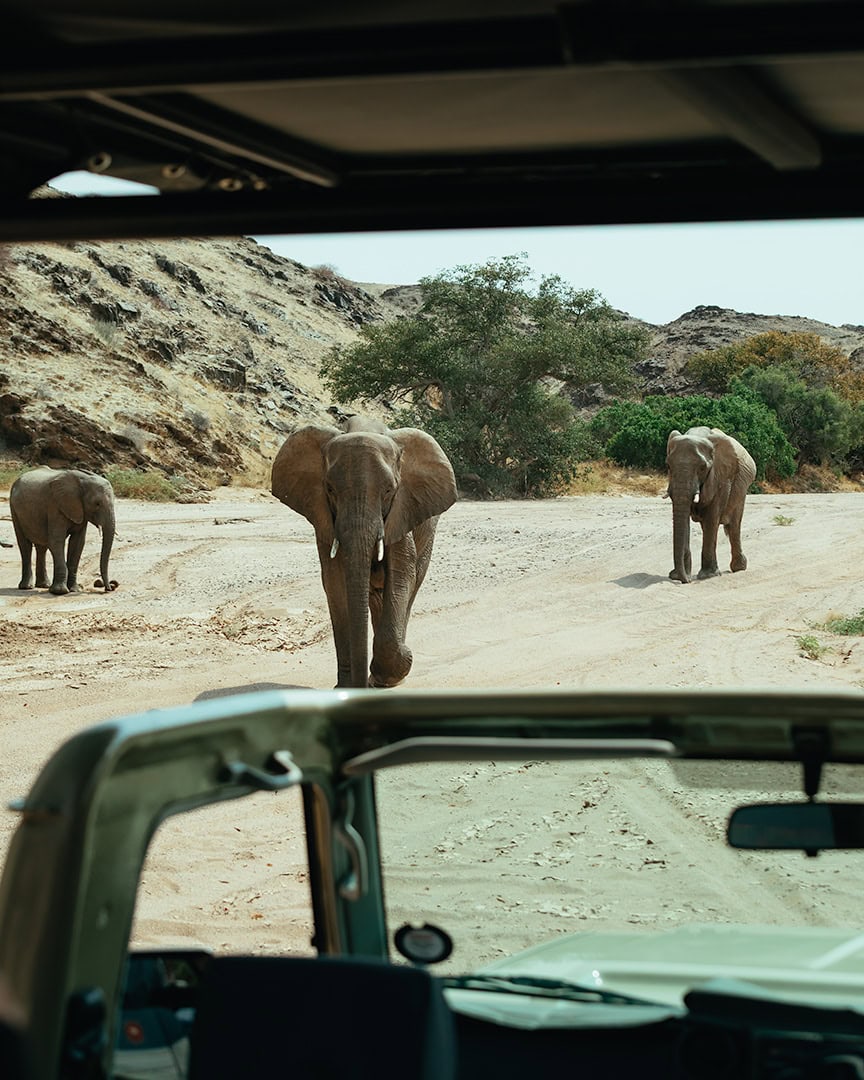
Damaraland is one of the places you’ve got a chance of seeing Namibia’s rare desert elephants. They move along dry riverbeds, and if spotting them is high on your list, you’ll need to go with a guide.
We went with Twyfelfontein Elephant Drives, and our guide, Rosie, was incredible. The way she spoke about the elephants was genuinely endearing, and you could really tell how much she cared about them.
She found them quickly and explained their bonds and behaviour to us, and she even knew them all by the names they’d been given.
There’s also a campsite at Twyfelfontein Elephant Drives, which makes it a really convenient base if you want to do the experience without having to drive far to get there.
We weren’t sure about doing this when we were planning, but now I genuinely can’t imagine having skipped it.
7. Quiver Tree Forest
Best for: Stargazing and unusual landscapes
Time needed: 1 night
Good to know: This is a really good overnight stop if you’re driving between Windhoek and the south
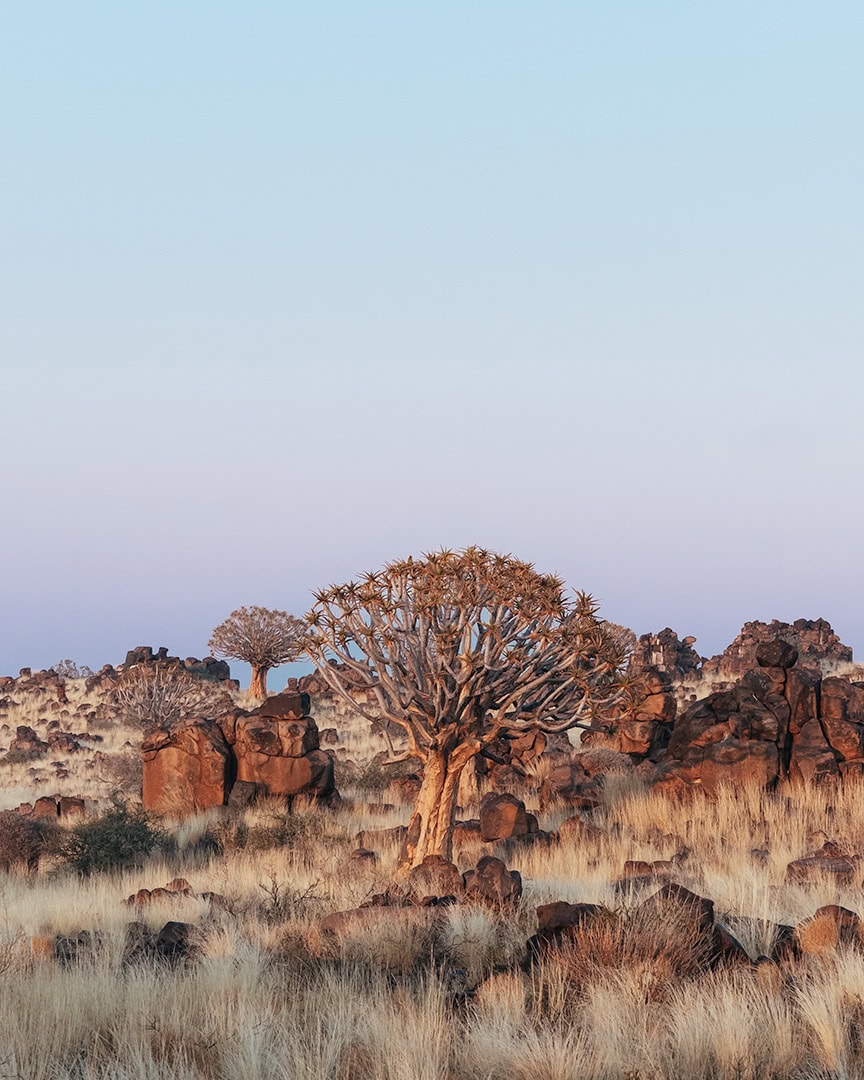
If you’re driving between Windhoek and southern Namibia, Quiver Tree Forest is a really unique stop to break up the journey. The quiver trees are beautiful, and the whole place feels slightly magical, especially around sunset.
There’s also a campsite here called Garas Rest Camp, and your entry to the forest is included in the camping cost, which is handy. There are also two lovely dogs that live at the campsite, and one of them, Luna, explored the forest with us, which was so sweet.
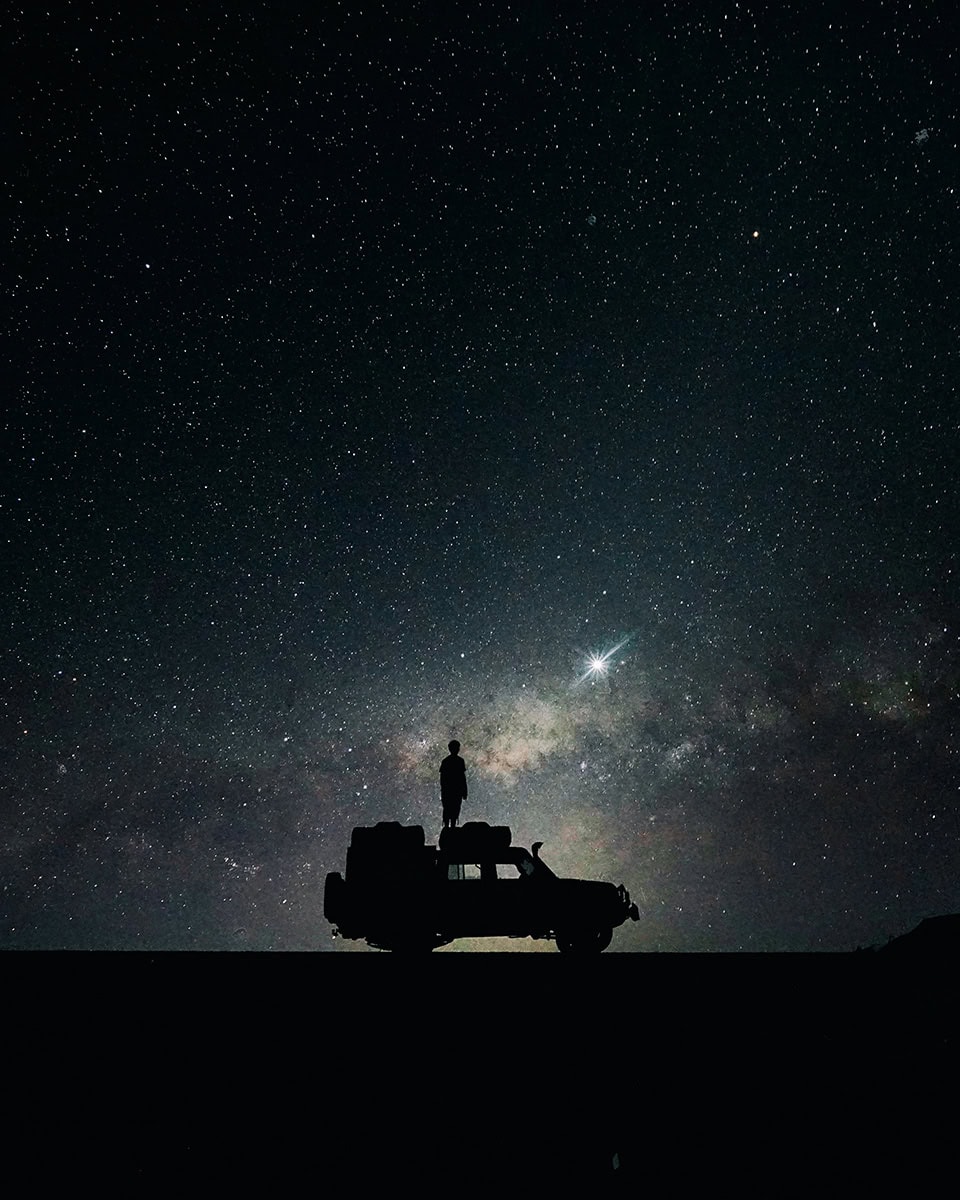
It’s also a great place for stargazing. There’s very little light pollution, so if you enjoy night photography, you can get some incredible shots of the stars framed by the quiver trees.
8. Kolmanskop
Best for: History, photography, something very unique
Time needed: Half a day
Good to know: Kolmanskop is quite out of the way on Namibia’s southwest coast, so you’ll usually need to base yourself in Lüderitz to visit
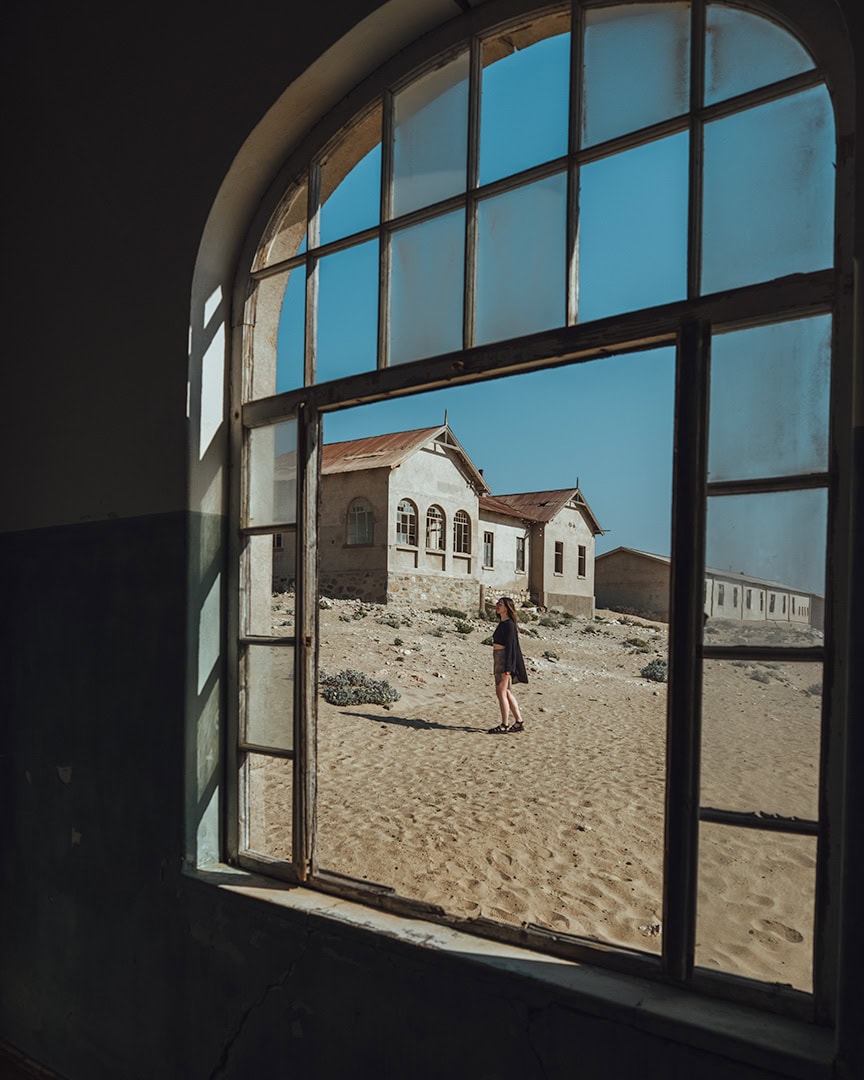
I was so excited for Kolmanskop, and it fully lived up to the hype I had in my head. It’s an abandoned mining town that’s slowly being reclaimed by the desert, with sand pouring through windows, crumbling buildings, and a slightly eerie feel.
You can wander through the old town and see places like the school, hospital, bakery, and more. Some buildings definitely feel a bit spooky, especially the hospital, but it’s also fascinating learning the history and seeing how quickly nature takes things back.
Because it’s so out of the way, this is one that makes the most sense if you’re already planning to stay in Lüderitz rather than trying to squeeze it into a tighter route.

9. Fish River Canyon
Best for: Big viewpoints, a short scenic stop, breaking up the drive in southern Namibia
Time needed: 1 day
Good to know: This works well as a small detour between Quiver Tree Forest and Lüderitz
Fish River Canyon is a great stop to break up the drive if you’re heading through southern Namibia or making your way toward Lüderitz. It’s a small detour, but an easy one to fit in if you’re already travelling between Quiver Tree Forest and Kolmanskop.
You really only need a day here to see the main viewpoints, and while we stayed 2 nights, 1 would probably have been enough.
It’s often described as the second largest canyon in the world after the Grand Canyon, and it’s genuinely impressive. You can drive between viewpoints and see it from different angles without doing anything too intense, which makes it a good option if you want a dramatic stop without adding a huge amount of effort.
It’s also close to Ai-Ais and its hot springs. We visited Fish River Canyon but didn’t make it to Ai-Ais.

10. Waterberg Plateau
Best for: Peaceful scenery and rhino tracking
Time needed: 1–2 nights
Good to know: This is an easy stop to add on the way to or from Windhoek
A lot of people skip Waterberg Plateau on the way to or from Windhoek, but I really think it’s an underrated little gem. The plateau is stunning, there are lovely trails, and the whole place feels calm in a way that’s quite different from some of Namibia’s bigger headline stops.
You can also do walking or driving tours to see rhinos, and they’re heavily protected here, which I really love.
We only stayed 1 night and immediately wished we’d booked 2. The sunrise and sunset light on the plateau is so pretty, and it’s the perfect place to slow down a bit before or after a longer stretch of driving.
One very random thing to be aware of: we had a honey badger raid our bins at night, which was both chaotic and a bit scary when we didn’t know what it was at first (it was very loud!).
They’re known for being incredibly aggressive, and even lions tend to leave them alone, so don’t be casual about food or rubbish if you’re camping here.
11. Spitzkoppe
Best for: Desert camping, rock formations, photography
Time needed: 1 – 2 nights
Good to know: It’s an easy stop to pair with Swakopmund
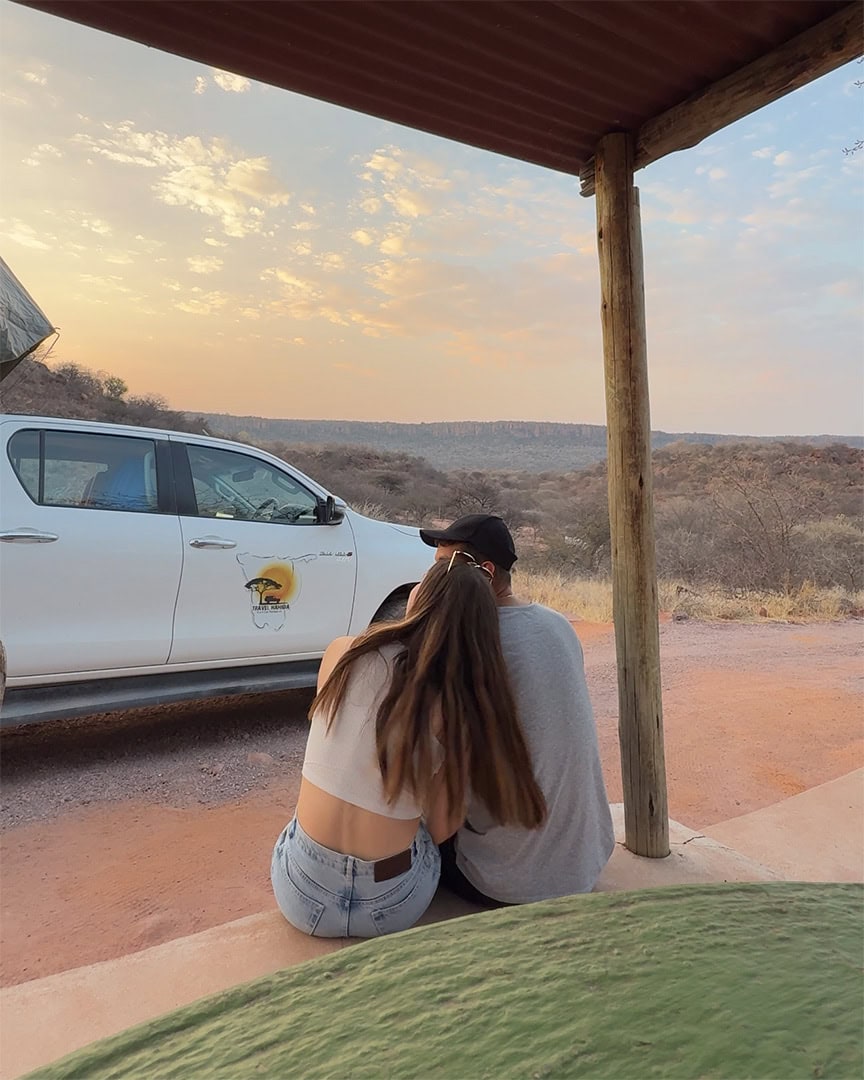
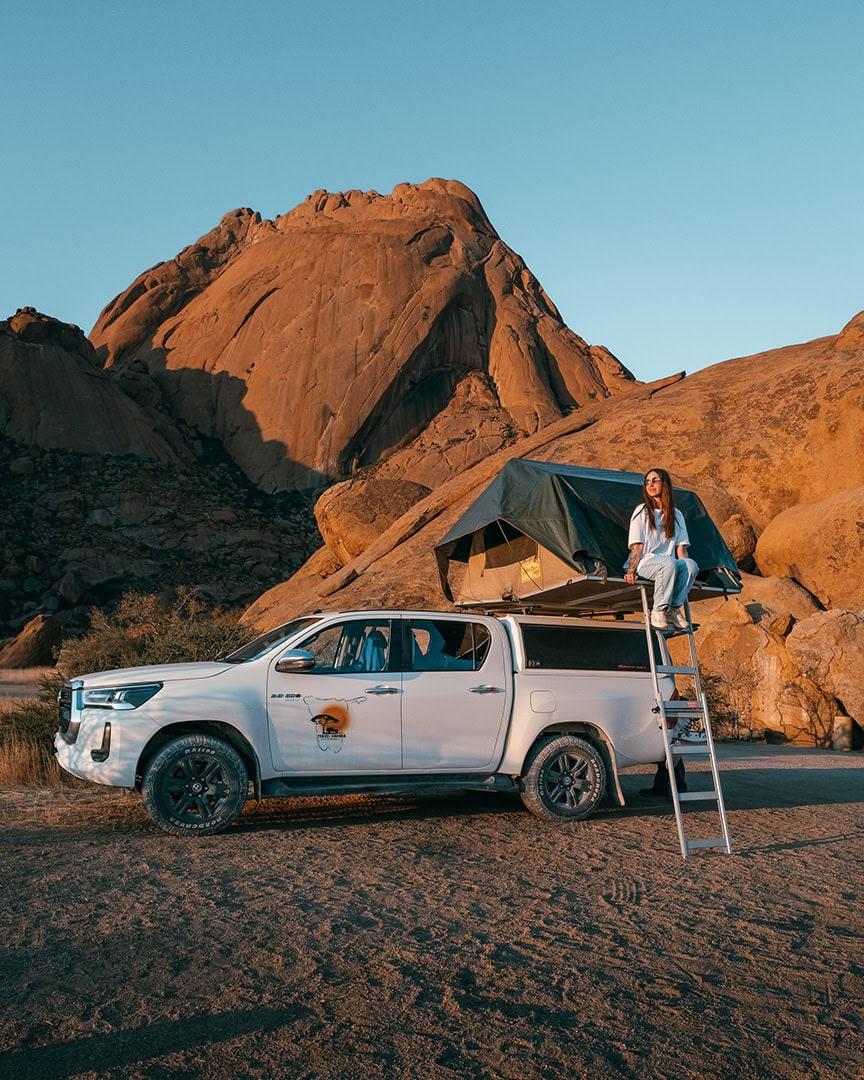
Spitzkoppe has to be one of my favourite places we camped, second only to Onguma. It’s around 2 hours from Swakopmund, and it’s basically huge orange granite mountains and rock formations rising out of the desert.
It’s an unreal place to camp in nature, and you can also see ancient rock art at Bushman’s Paradise and Little Bushman’s Paradise. The fact that the drawings have been there for thousands of years is mind-blowing.
Guides for the rock art sites usually work on a tipping basis, and they’re normally waiting near the car park.
You can do guided hikes, shorter self-guided walks, or honestly just drive around and take lots of photos. I found it so peaceful here and could easily have stayed a third day.
Places We Didn’t Visit But Would Still Consider for a Longer Namibia Trip
These aren’t the places I’d necessarily prioritise in a shorter first-time Namibia itinerary, but they’re well worth considering if you have longer and want to go beyond the classic highlights.
12. Kalahari Desert
Best for: Red dunes, wildlife, and culture
Time needed: 1–2 nights
Good to know: If you’re heading south from Windhoek, this could be an alternate stop to Quiver Tree
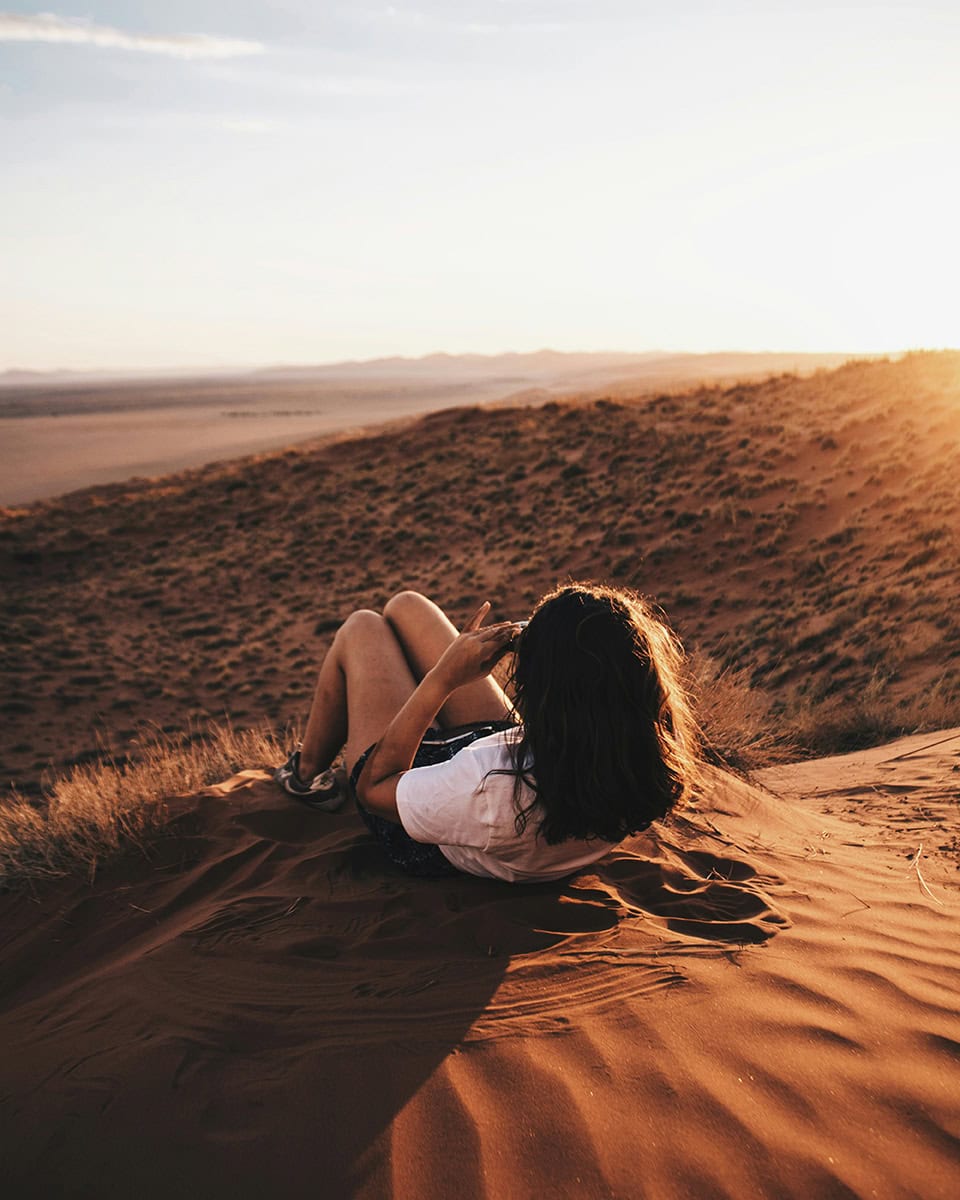
This is still on my list, but it’s one of the easier places to add to a Namibia itinerary because it’s relatively accessible from Windhoek. If you’re heading south, it could also work as an alternative to Quiver Tree Forest, depending on which direction you want to go and how many stops you want to include.
It’s known for its deep red dunes, and it’s one of the places you might see black-maned lions and cheetahs.
The Kalahari is also closely connected to San communities, who are among the oldest Indigenous peoples in southern Africa, and have lived in the region for tens of thousands of years.
13. Epupa Falls
Best for: A remote detour, waterfalls, a very different side of Namibia
Time needed: 2–3 days
Good to know: This is a big detour, but it makes more sense if you’re already heading up towards Opuwo
We really wanted to make Epupa Falls work, but with our route, it would have meant an 8 hour drive there and another 8 hours back, so eventually we had to admit defeat.
We’d actually booked a campsite nearby when we first planned our Namibia itinerary, but once we were on the road and realised just how much the gravel roads were slowing us down, we decided to scrap it.
If you’re already planning to go as far as Opuwo, it makes a lot more sense to add Epupa Falls from there, even though it’s still a decent drive.
Some travellers also head up that way to visit Himba communities in the region, but if that’s something you’re interested in, I’d make sure to choose a reputable local or community-based operator and approach it respectfully.
If you’ve got the extra time for a detour like this, it’s definitely one of the places I’d look at adding to a longer Namibia trip.
14. Caprivi Strip
Best for: Wildlife, river scenery, a greener side of Namibia
Time needed: 2–4 days
Good to know: The Caprivi Strip is in the Zambezi Region in the northeast of Namibia
This one broke my heart a bit because I really wanted to make it work, but we would have had to rush from stop to stop, and that just wasn’t the kind of trip we wanted.
The Caprivi Strip is the lush green northeast corner of Namibia and feels completely different from the desert landscapes most people picture when they think of the country.
It borders Angola, Botswana, and Zambia, and it’s right at the top of my list for next time.
How to Choose the Right Stops for Your Namibia Route
Namibia sometimes looks totally manageable on a map… and then you get there and realise the distances are massive, the gravel roads slow everything down, and a “quick drive day” is rarely actually quick.
For safety reasons, you can’t drive in the dark, so you are literally limited to driving during daylight hours too.
So the biggest favour you can do yourself (especially on a first trip) is to be picky. If you cram in too many stops, you’ll spend your whole trip driving, arriving tired, and immediately thinking about the next drive (plus costs will add up fast!).
A really good rule of thumb is to stay put for 2–4 days at each stop (ish). Obviously, it depends on distances and what there is to do, but that rhythm keeps your route realistic and gives you time to actually enjoy the place instead of just collecting photos.
To narrow it down, start with what you want the trip to feel like:
- If you’re here for wildlife: Etosha, Onguma, Damaraland, and the Kalahari.
- If you want jaw-dropping scenery: Sossusvlei & Deadvlei, Sandwich Harbour, Spitzkoppe, Fish River Canyon, and the Skeleton Coast.
- If you want to slow down a bit: Swakopmund and Waterberg Plateau (plus somewhere peaceful like Spitzkoppe).
- If you love the weird/unusual stops: Kolmanskop and Quiver Tree Forest.
- If you’ve got more time for bigger detours: Epupa Falls and the Caprivi Strip (also great for wildlife).
I really liked having a mix of wildlife, scenery, and slower-paced stops. We had more time, so it was easier to include a lot, but if you’re working with fewer days, pick the few places you care about most, build your route around those, and let everything else be a bonus.
And honestly? It’s completely fine to save a few places for next time. Namibia is not a country where you can cram everything into one trip without suffering.

What to Know Before Visiting Namibia
Namibia is huge. We knew this before we went, but we were still humbled by the distances, the gravel roads, and just how long it can take to get from one stop to the next. Our best decision was skipping a few places so we could actually enjoy the ones we did include, instead of constantly rushing.
If you’re planning your own route, I’d really recommend building in buffer time. Drive days can take much longer than they look on Google Maps, especially if the gravel roads haven’t been graded recently.
Costs can creep up quickly too, once you factor in fuel, vehicle hire, park fees, activities, and accommodation, so it helps to have a rough budget in mind before you start locking things in.
Self-driving in Namibia is amazing, but it does pay to be prepared. Fuel stops, tyres, offline maps, and avoiding night driving will make the trip much smoother.
One thing that surprised us was the tipping culture around car guards and informal parking help. It felt unusual at first, but it did give peace of mind, especially when you’ve got all your things in the vehicle. It’s one of those small things that’s worth understanding in advance when you’re figuring out cash, tipping, and money in Namibia for your trip.
More than anything, Namibia is the kind of trip where trying to do too much can take away from the experience. Pick the stops that suit your time, your interests, and your driving tolerance, and you’ll have a much better trip because of it.